In the 2010s Budapesti Ruin bars were all the rage with young local Hungarians enjoying the art, styles and post-apocalyptic warrens of places like Szimpla Kert. Every bar had table football and was bicycle and dog friendly. Hungary had seemingly endless summers and the local culture is sweet, welcoming, humble and friendly. Budapest was cool.

Now, in February 2024, Saturday night, and even Tuesday night in Szimpla Kert street is much busier. Gabor, a local Hungarian man tells us that:
“Szimpla Kert is now infested with a 500+ queue of the worst type of pleasure seekers tourism has to offer. The fun bars and parts of the city are no longer accessible to kind feeling local folk leaving them with a bleak social landscape”.
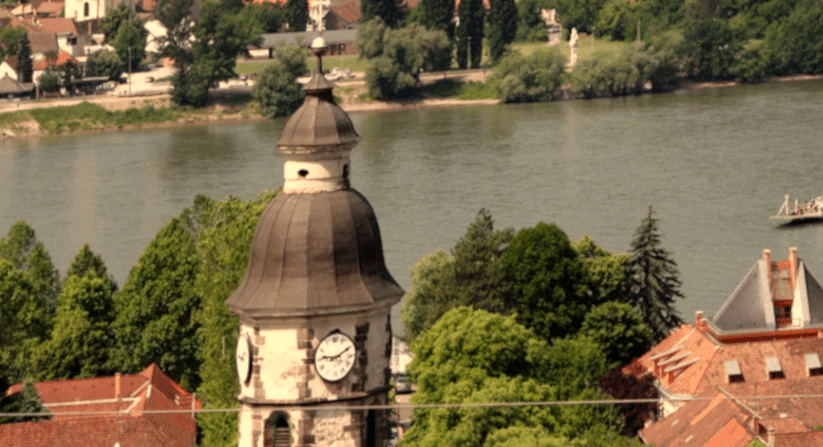
A growing exodus of young single Hungarians is flowing out of Budapest to live in the villages. Local town bars like Piknik Manufacturer and Zsengélő Café are thriving even in winter and house prices are rising. A string of beautiful beaches, villages and towns stretch along the Danube river through Verőce, Nagymaros, Zebegeny and on to Szob next to the Slovakian border. Diosjenő and Nograd border the great forests of Börzsöny National park.
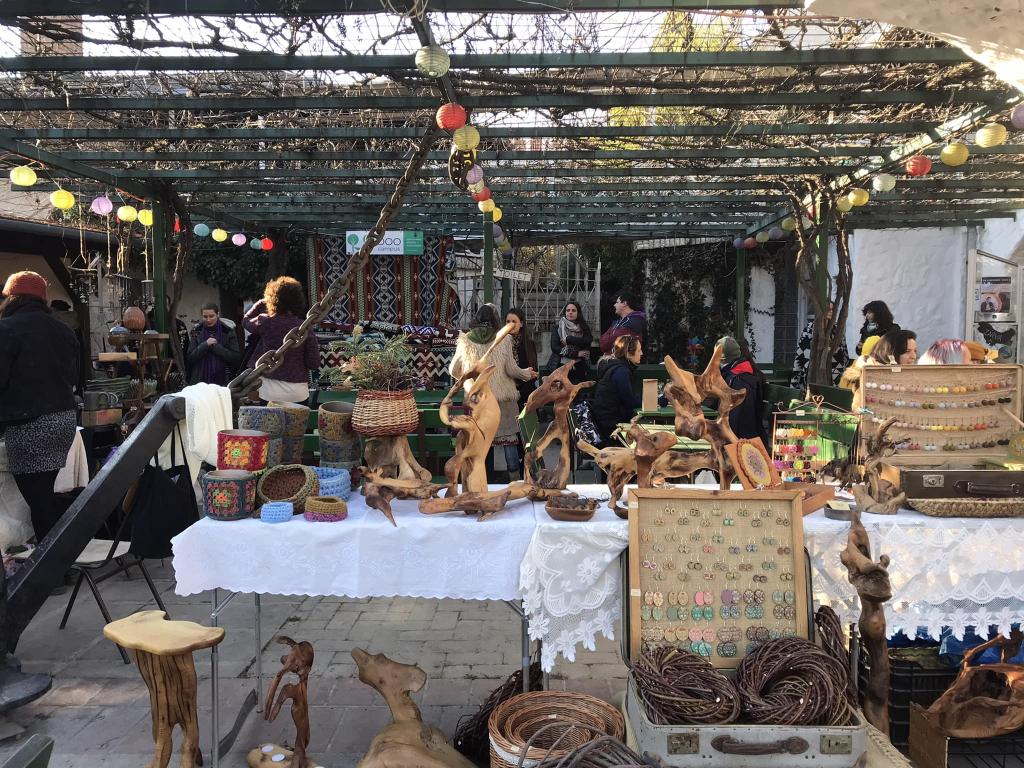
The winter markets at Piknik Manufacturer are a hub of local community (pictured right). Everyone knows everyone and there is much shaking hands, hugging and excited chatting as we arrive. Children run everywhere and everyone knows and chats with them. Local products brought from local people that people know and love are everywhere including locally ground coffees, art and clothes.
Sara, 25 years old and born in Budapest, explains that her life feels precarious at the moment as she is renovating a big old vehicle to live in with almost no money at all. She adds that she:
“left the city because it had become poisonous to her.” and “wants to work on community in Nagymaros and sees great potential especially in the newly arrived young families”.
Ben moved out to Nagymaros with his partner and is re-building an old house there. He told us he:
“worked as a manager in several local companies”. However, in this idealistic setting, he explains that life is still “emotionally difficult because of house payments and social stability”.
Jim, who lives in the town with his partner, works in the entertainment industry and travels to Budapest daily. He explains that his working life, despite being financially attractive, is:
“socially unpleasant and wearing him down.”
Other new community members seem to be finding it difficult to integrate easily and always struggling with prices, work and accommodation. Tim points around the village and tells us about the 3 communities that exist there:
“There is the dispersed new hippy culture of young families and young singles moving out from Budapest, the original Hungarian-German Nagymaros community of often older generations, and the Roma [Gypsy] communities further up the hill”.
 The Teal Diary